• Johns Hopkins University
  • Imperial College London
  • R Epidemics Consortium
Outbreak ForensicsContact TracingGenomic SurveillanceCase DetectionSuperspreader DetectionImportation Events DetectionInfection Prevention & ControlOutbreak ForensicsContact TracingGenomic SurveillanceCase DetectionSuperspreader DetectionImportation Events DetectionInfection Prevention & Control
  1. [0.1]
  2. 0.2
  3. 0.3

Nosocomial outbreaks are deadly, costly and poorly managed.

Healthcare-associated infections (HAIs) are among the most common adverse events in healthcare delivery.

  • The Problem

  • 1 in 10 patients develop an HAI

    A WHO global estimate that has not improved in over 15 years.

  • 136M antibiotic-resistant HAIs / year

    HAIs are a major driver of the antimicrobial resistance (AMR) crisis, one of the WHO's top global health threat.

  • 3.5M annual deaths

    The WHO's projected mortality from HAIs unless infection-prevention investment scales meaningfully in the next decade.

  • AMR's most underrated driver

    Hospital outbreaks are the breeding ground for resistant strains. Stopping them earlier is the cheapest and most efficent solution.

  1. 0.1
  2. [0.2]
  3. 0.3

Integration unlocks intelligence.

Current tools work in silos. NosoTrack fuses their data streams into a unified analytical engine.

  1. 0.1
  2. 0.2
  3. [0.3]

Outbreak forensics, end to end.

NosoTrack infers who-infected-whom in real-time, enabling infection prevention and control teams to identify how infections spread and design targeted interventions before outbreaks escalate

Pathogen agnostic, ready for disease X.

NosoTrack builds on over a decade of research in outbreak forensics, focusing on the integration of epidemiological, genomic and contact data to infer transmission trees.

Our team and collaborators have published extensively on methodological advances, including the outbreaker2 R package and the linktree method for inferring transmission patterns between staff and patients. These methods have been applied to real outbreak data, including SARS-CoV-2 nosocomial outbreaks in Switzerland and the UK, MRSA in neonatal intensive care units in the UK, Klebsiella pneumoniae in a Nepali neonatal unit, Acinetobacter baumannii in hospitals in North Carolina, and Ebola outbreaks in the DRC. We are committed to open science, with all software freely available and publications accessible to the public.

Models · NIH 3D Print Exchange · NIAID Visual & Medical Arts · CC-BY 4.0 / Public Domain

A team of experts.

Founder

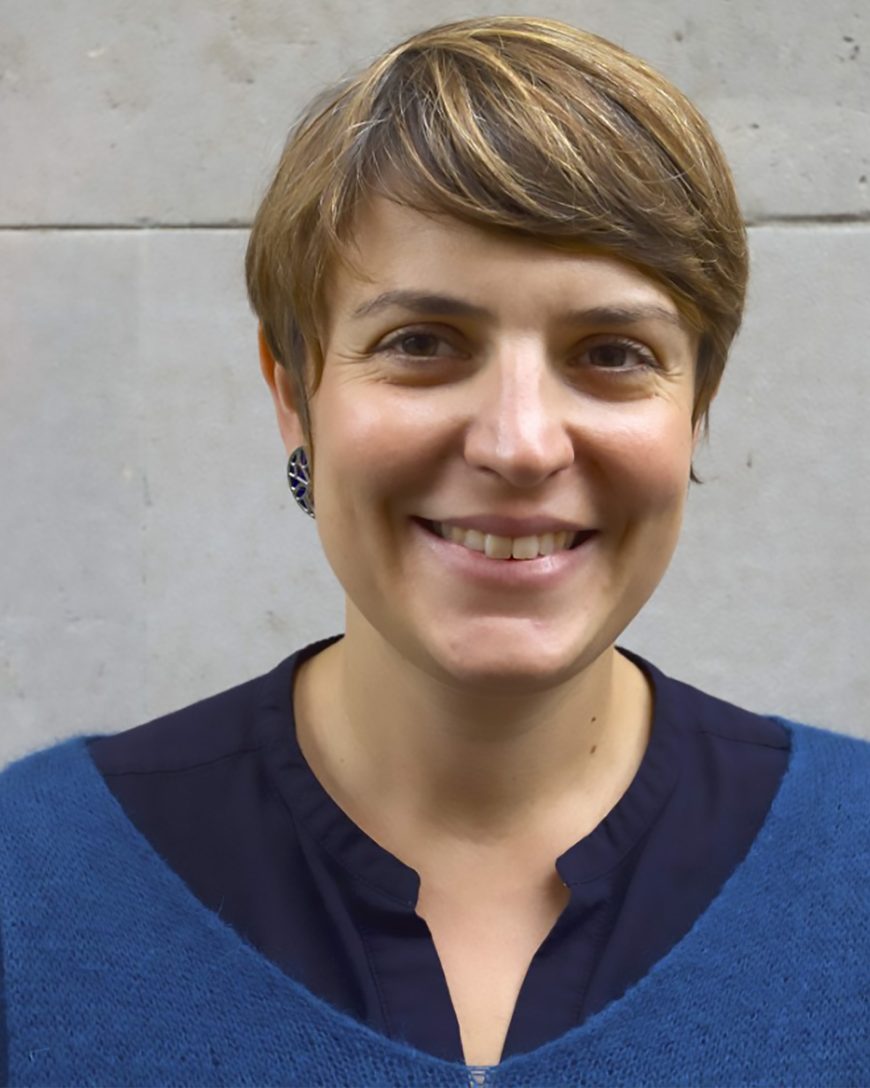
Dr Cyril Geismar

Dr Cyril Geismar

Johns Hopkins University

Postdoctoral research fellow. PhD in mathematical modelling of infectious diseases at Imperial College London, focused on SARS-CoV-2 outbreak forensics. Executive board member and developer for the R Epidemics Consortium. Teaches outbreak analytics at Emory University and LSHTM.

Advisors

  • Dr Anne Cori

    Dr Anne Cori

    Imperial College London

    Associate Professor specialising in real-time outbreak analysis and epidemiological parameters. Lead author of EpiEstim and co-author of outbreaker. Develops statistical methods for outbreak forensics and rapid transmissibility assessment.

  • Dr Thibaut Jombart

    Dr Thibaut Jombart

    Imperial College London

    Associate Professor specialising in outbreak response analytics, biostatistics, population genetics, and R programming. Lead author of outbreaker and founder of the R Epidemics Consortium. Field experience in Ebola deployments in the Democratic Republic of the Congo.

Next steps.

We are seeking collaborators and funding to validate and deploy NosoTrack in two stages.

Phase 1

Simulation Study

Conduct simulation studies under realistic operational constraints to determine the conditions under which NosoTrack improves outbreak control.
This phase will assess NosoTrack's effectiveness across pathogens, hospital settings, and levels of data availability.

Phase 2

Pilot Study

Deploy the platform in real-time in a hospital environment.
This phase will generate real-world evidence on reduced infections, cost savings, and improved hospital capacity management.

Let's WorkTogether

We are actively seeking collaborations and funding. Please reach out!